What is a Polymer?

A polymer is a substance composed of long, repeating chains of smaller units called monomers. These compounds can be either natural or synthetic, and due to their diverse physical and chemical properties, they are widely used across various industries. Polymers play a crucial role in our daily lives, and with the advancement of technology, new compounds with enhanced characteristics are continuously being developed.

For more information, feel free to contact our experts who will be happy to provide you with the necessary guidance.

This material can be classified based on origin, structure, type of polymerization reaction, and physical properties:

Based on molecular structure

Based on Molecular Structure

Polymers based on molecular structure are divided into three categories.

Linear

The molecules of this material are connected in a straight line, similar to polyethylene and nylon.

They have side chains that reduce density and alter mechanical properties, such as in low-density branched polyethylene (LDPE).


They have a three-dimensional structure that makes them harder and more durable, such as epoxy resins and Bakelite.

Based on origin

Polymer Based on Origin

Polymers are classified based on their origin as either natural or synthetic.

Natural
Recycled plastic granules

Based on Type of Polymerization

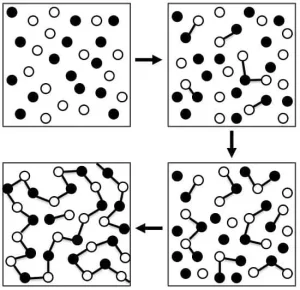
Polymers are classified based on the type of polymerization as either addition polymers or condensation polymers.

Addition

Monomers are connected without the elimination of additional molecules, as in polyethylene and polypropylene.

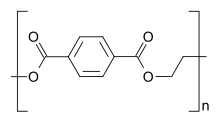
During polymerization, a small molecule such as water or methanol is eliminated, as in nylon and polyester.

Based on thermal properties

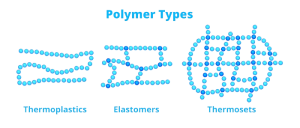
Polymers: thermoplastics (softenable) and thermosets (harden with heat).

Thermoplastics

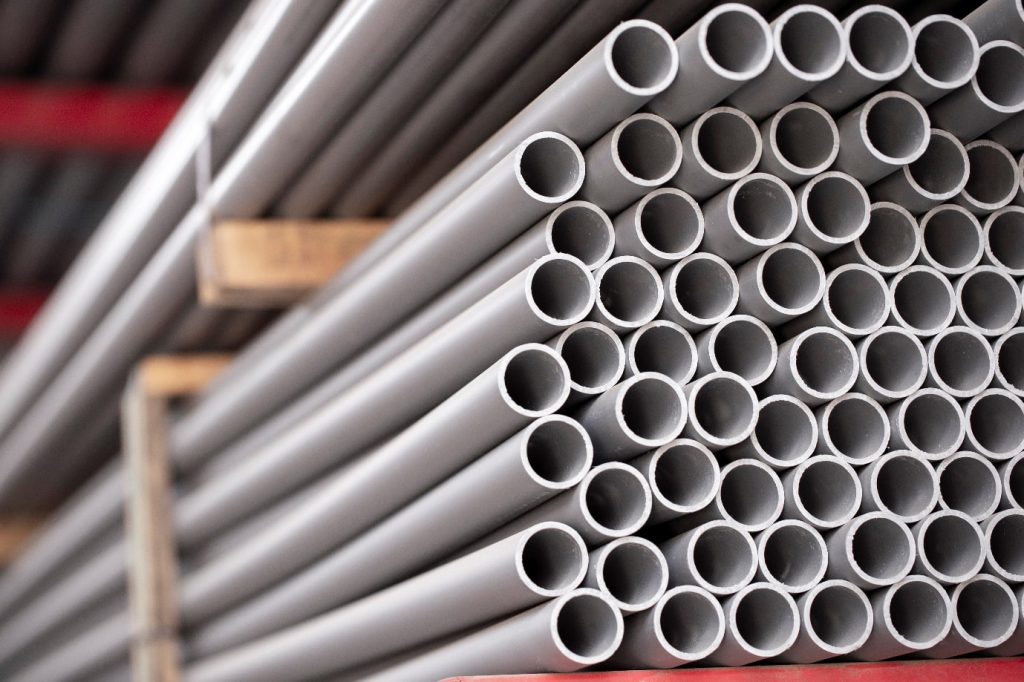
They soften with heat and can be remolded, such as polyethylene, polypropylene, and PVC.

Once formed, they cannot be reshaped, such as epoxy resins and Bakelite.

Polymer compound

Based on application

Polymers based on applications in various industries and fields

Industrial

Like polycarbonate (PC) used in manufacturing eyewear and bulletproof windows.

Like polyamide (nylon) used for manufacturing automotive parts and machinery.
Like polylactic acid (PLA), which is used in biodegradable packaging.

Learn more

In a functional classification, polymers are divided into three types: plastics, elastomers, and fibers. Each has specific characteristics; for example, elastomers exhibit high elasticity.

Each category of these materials has its own specific properties and applications, and they are selected based on industrial and environmental requirements. Please contact our experts for professional guidance to assist you in purchasing and choosing the most suitable product.

Polymer Structure

These materials consist of large molecules formed by the repetition of smaller units called monomers. These monomers are chemically bonded together, creating long polymer chains.

Main Structure of Polymers:

  1. Linear: Polymer chains are straight and unbranched. These polymers typically have high density and strength (e.g., high-density polyethylene).
  2. Branched: Contain side chains branching off the main polymer chain, which affects their mechanical properties and density.
  3. Cross-linked: Polymer chains are connected by cross-links, increasing their hardness and thermal resistance (e.g., resins).
  4. Three-dimensional: Possess a complex and robust structure found in materials like vulcanized rubber.

Structural Properties of Polymers:

  • High Molecular Weight: These materials have greater weight compared to simple compounds.
  • Flexibility: Depending on the type of intermolecular bonds, some polymers are flexible while others are rigid.
  • Chemical Resistance: Many polymers exhibit resistance to acids and bases.
  • Electrical Insulation: Most polymers have low electrical conductivity unless modified.


These structures enable polymers to be widely used in various industries such as packaging, automotive, medical, and construction. For more detailed information, please contact our specialists for professional guidance.

Industries that Have Experienced Significant Transformations through the Use of Polymeric Materials

Numerous industries have undergone remarkable changes by incorporating polymeric materials.

Automotive Industry

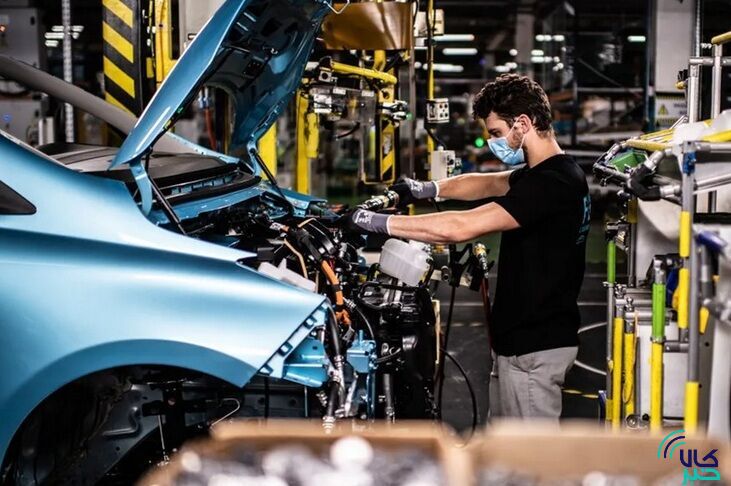
Polymers have revolutionized automotive manufacturing due to their low weight, high strength, and corrosion resistance. Some key applications of polymers in this industry include:

Polymer in the medical and health equipment industries

Medical and healthcare industries

Due to their biocompatibility, flexibility, and high sterilizability, these materials have brought significant transformation to the medical industry. Some of the most important applications include:

Polymer in packaging industries

Packaging industries

The use of this material in the packaging industry has led to weight reduction, increased durability, and improved product protection. Some important applications include:

Construction Industries

Polymers have replaced traditional materials such as metal and concrete in many construction applications. Their advantages include high strength, insulation properties, and long durability. Some polymer products used in this industry include:

Electronics Industry

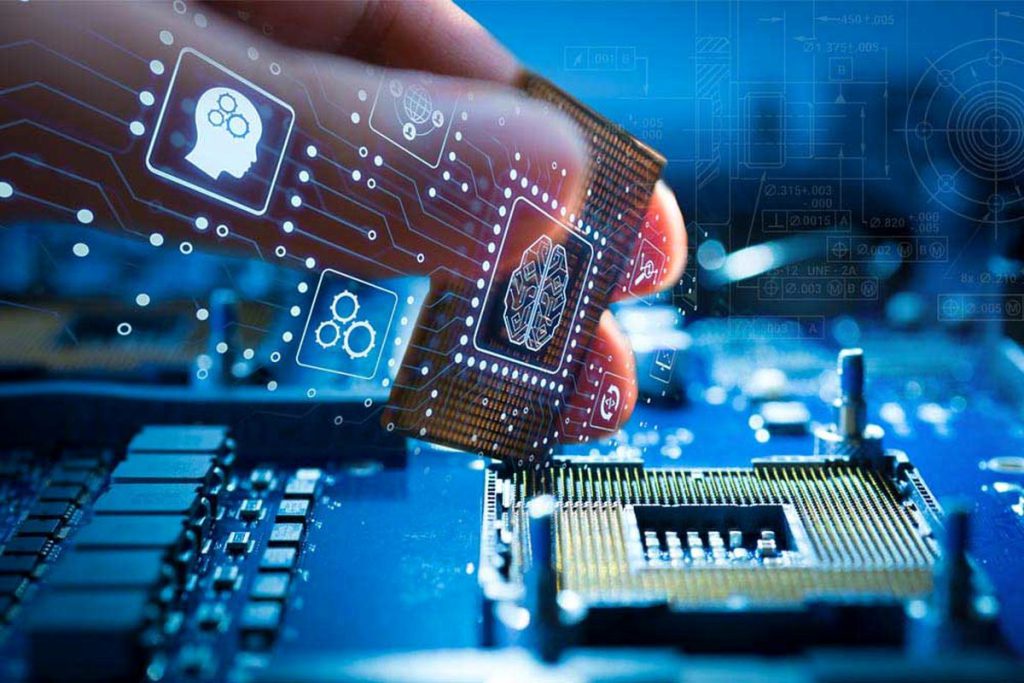
These materials play a crucial role in electrical insulation and in manufacturing lightweight, heat-resistant components. Some of their applications include:

Textile Industries

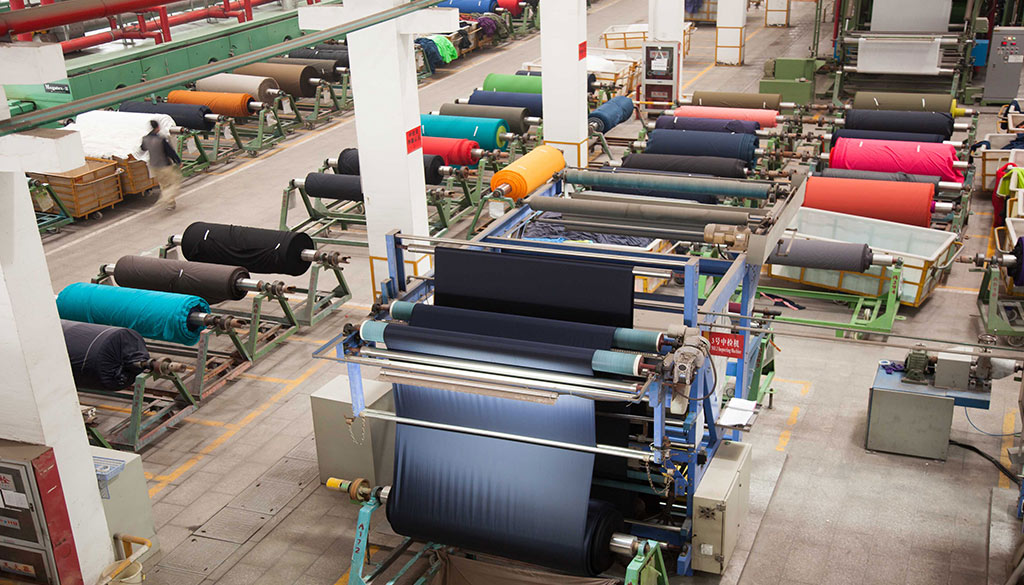
Synthetic fibers: Polymers have replaced natural fibers in many textile applications. The most important polymer fibers include:

Aerospace Industries

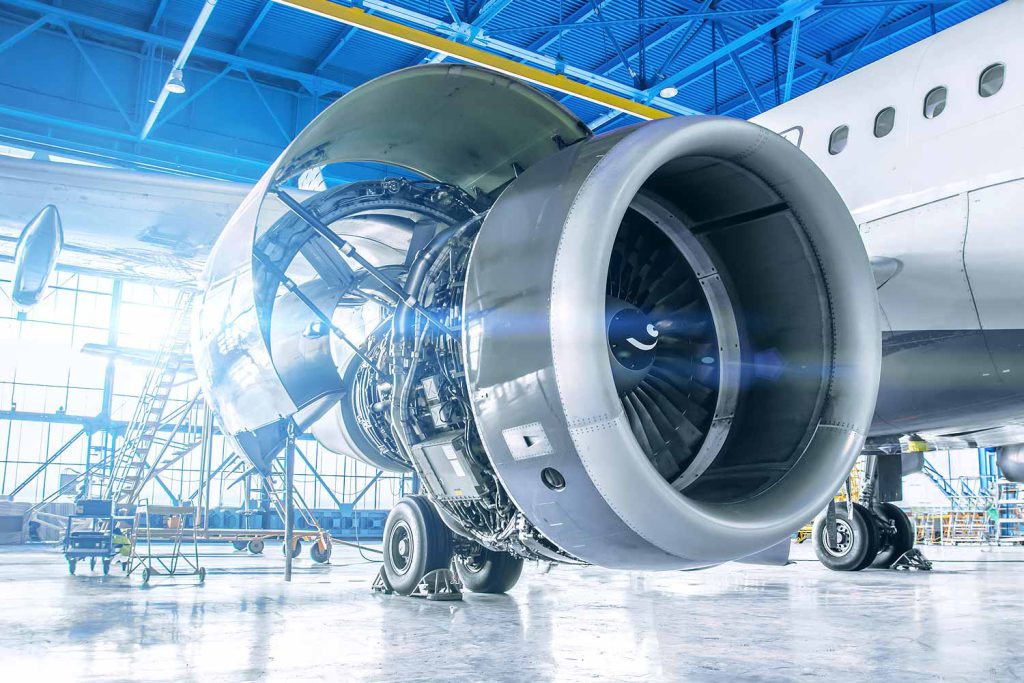
Polymer composites in the aerospace industry have replaced metals, contributing to weight reduction and increased strength. Some key applications include:

Agricultural Industries

This material in agriculture has optimized water usage, reduced waste, and increased crop productivity. Some of its applications include:

Why Do Polymers Have Different Properties?

These materials exhibit varying properties due to differences in their chemical structure, types of monomers, chain connectivity, and manufacturing processes. The following factors influence their characteristics:

  •  Type of Monomers: The chemical composition of monomers determines whether the polymer is soft, hard, flexible, or strong.
  • Polymer Chain Length: Longer polymer chains increase mechanical strength and melting point.
  • Chain Structure: Polymers can be linear, branched, or cross-linked. Cross-linked polymers (e.g., epoxy resins) are harder and more durable, whereas linear polymers (e.g., polyethylene) are more flexible.
  • Intermolecular Forces: Polymers with stronger hydrogen bonds or van der Waals forces exhibit higher hardness and melting temperatures.
  • Additives: Some polymers are modified with additives such as plasticizers, fillers, or stabilizers to achieve desired properties.
  • Production and Processing Methods: Temperature, pressure, and catalysts used during polymerization directly affect the final polymer characteristics.


For these reasons, polymers are utilized in diverse applications such as packaging, automotive, medical, and construction industries. For further information, please contact our experts who will provide you with professional guidance.

What is the Difference Between Polymer and Plastic?

Polymer and plastic are two related but distinct concepts in materials science. Below, we examine the main differences between them.

General Definition

Polymers are chains of monomers and are classified into two types: natural and synthetic.

Plastics are a type of synthetic polymer that can be shaped by heat and pressure, and they include thermoplastics and thermosets.

Types

Polymers include natural materials such as natural rubber and silk, as well as synthetic materials like polyethylene and PVC.

Plastics are typically made from synthetic polymers such as polyethylene (PE), polypropylene (PP), and polyvinyl chloride (PVC).

Recyclability and Biodegradability

Some natural polymers, such as cellulose and proteins, are biodegradable and decompose naturally in the environment.

In contrast, many plastics made from synthetic polymers degrade slowly and have significant environmental impacts.

Applications

Polymers are used across various industries including packaging, medical, automotive, and construction.

Plastics are primarily applied in the production of containers, bags, industrial parts, and electrical equipment.

Molecular Arrangement of Polymers

What is the Difference Between Polymer and Plastic?

Polymer and plastic are two related but distinct concepts in materials science. Below, we examine the main differences between them.

General Definition

Polymers are chains of monomers and are classified into two types: natural and synthetic.

Plastics are a type of synthetic polymer that can be shaped by heat and pressure, and they include thermoplastics and thermosets.

Types

Polymers include natural materials such as natural rubber and silk, as well as synthetic materials like polyethylene and PVC.

Plastics are typically made from synthetic polymers such as polyethylene (PE), polypropylene (PP), and polyvinyl chloride (PVC).

Recyclability and Biodegradability

Some natural polymers, such as cellulose and proteins, are biodegradable and decompose naturally in the environment.

In contrast, many plastics made from synthetic polymers degrade slowly and have significant environmental impacts.

Applications

Polymers are used across various industries including packaging, medical, automotive, and construction.

Plastics are primarily applied in the production of containers, bags, industrial parts, and electrical equipment.

  • Molecular Arrangement of Polymers
  • What is a Biodegradable Polymer?
  • How Do You Identify Polymers?

History and Advances of Polymers up to 2025

In today's world, one of the greatest challenges for manufacturers and engineers is selecting the appropriate material for use in products and industrial processes. Polymers are considered key compounds in this field. By understanding the history and advancements of these materials, one can better anticipate the development trends and future applications. Therefore, we invite you to join us in a comprehensive exploration of this subject.

Definition and Nature of Polymers

Polymers are chemical substances composed of repeating units called monomers. These materials can exist naturally or be synthetically produced and impart specific properties to the final products. With this understanding, we can classify polymers and explore their applications in daily life and various industries.

History of Polymers from Origins to 2025

Polymers have existed in nature for a long time, but detailed scientific understanding dates back to the 19th century. We highlight two significant historical periods, each having a unique impact on polymer development:

1. Invention of Early Polymers

In the early 19th century, scientists such as Michael Faraday and Alexander Parkes identified simple structured polymers. In 1907, the invention of Bakelite—the first synthetic polymer—revolutionized the plastics industry.

2. Emergence of Modern Polymer Technologies

From the 1950s onward, modern technologies for polymer production and utilization advanced rapidly. Modern plastics like polyethylene and polypropylene became extensively used across industries. These developments will continue to expand in 2025 with the advent of new technologies and scientific research.

Types of Polymers and Their Applications

Polymers are categorized into natural and synthetic types. Each category possesses unique properties making them suitable for different applications.

1. Natural and Synthetic Polymers

Natural polymers, such as cellulose and proteins, derive from natural sources and exhibit unique characteristics. Synthetic polymers like nylon and polyester are produced via chemical processes and are widely applied in various industries.

2. Industrial Applications of Polymers

* Packaging Industry: Used for manufacturing bags, films, and containers in commodity markets.
* Automotive Industry: Utilized in vehicle body and interior parts.
* Household Appliances: Applied in producing dishwashers, refrigerators, and other home equipment.

3. Specialty Polymers

These are designed for specific applications, such as heat-resistant polymers or initial gas barrier polymers used in safe and efficient materials production.

Advantages and Disadvantages of Using Polymers

Polymers have distinct pros and cons that must be considered during selection.

1. Advantages Compared to Other Materials

  • Lightweight and portable: Polymers are generally much lighter than metals.
  • Chemical Resistance: They resist many chemical agents.
  • Easy Processing: Their moldability and ease of production make them attractive options.

2. Challenges and Disadvantages

However, polymers also face limitations, such as recycling difficulties and environmental concerns, which continue to drive ongoing research.

Technological Advances in the Polymer Industry

One key to the success of polymers is technological progress, which can be divided into two main areas:

1. Chemical and Technical Innovations

Development of novel chemical methods and production processes have enhanced polymer properties. These include molecular design and nanotechnology, significantly improving product quality.

2. Impact of Artificial Intelligence on Polymer Production

AI has dramatically influenced trend identification and process optimization. This technology assists engineers in improving material quality and reducing production time.

3. Latest Sustainable Production Methods

Sustainable and eco-friendly polymer production techniques are promising paths. Utilization of renewable materials and polymer recycling are key components of these approaches.

Environmentally Friendly Polymers

Recently, focus has increased on producing environmentally friendly polymers, including bioplastics and renewable resource-based materials.

1. Definition of Bioplastics

Bioplastics represent a new class of polymers derived from biological sources, especially used in consumer products that contact food.

2. Recycling and Reuse Processes

Modern recycling processes vary and help reduce plastic waste. Reusing polymers alleviates environmental burden and reduces the consumption of new resources.

Future Challenges in the Polymer Industry up to 2025

The polymer industry faces numerous challenges expected to arise by 2025, including the need for production innovation and environmental concerns.

Polymers in Medicine and Pharmaceuticals

Polymers play a vital role in medical and pharmaceutical industries, sparking a revolution through diverse applications.

1. Polymer Use in Drug Delivery

Polymers act as drug carriers, effectively transporting medications to targeted body sites, enhancing treatment speed and efficacy.

2. Role of Polymers in Medical Equipment Manufacturing

Medical devices such as prosthetics, surgical instruments, and diagnostic tools benefit from the unique properties of polymers, requiring high standards and hygiene maintenance.

Forecasting Future Trends in Polymer Production

In coming years, polymer production advances will be influenced by climate change and emerging technologies.

1. Impact of Climate Change on Polymer Industries

Climate change may significantly affect raw material supply, increasing the need for sustainable and renewable sources.

2. Emerging Technologies in Polymer Production

Technologies such as 3D printing and molecular engineering can greatly influence polymer manufacturing methods and property enhancements.

Comparison of Polymers with Traditional Materials

As modern materials, polymers offer specific advantages over traditional substances, potentially transforming material selection in various industries.

Frequently Asked Questions about Polymers

This section addresses common questions related to polymers.

Conclusion and Future Outlook for Polymers

Ultimately, polymers, as key components of modern industry, will play a critical role in future transformations. The integration of advanced technologies, sustainability requirements, and environmental considerations will shape their future. Therefore, deeper knowledge of these materials can lead to optimized applications and expanded opportunities across industries.